
Trigger Warning & Disclaimer:
This post talks about anxiety, PTSD, panic attacks, and trauma. If you are struggling with mental health or having thoughts of self-harm, please seek professional help. In the U.S., you can contact the National Suicide Prevention Lifeline at 988, or reach out to a qualified mental health professional in your area.
This post shares my personal experiences and reflections—it’s not a replacement for professional care.
My Early Struggles
Anxiety and PTSD have been part of my life for as long as I can remember, but they intensified during a period when I was in an abusive relationship and became a single mom at a young age. There were nights—sometimes weeks—when I couldn’t sleep, completely overtaken by panic attacks.
During these attacks, I often feared I was having a heart attack. One particularly intense night, the weight on my chest was unbearable, my fingers curled painfully, and I struggled to breathe. I dialed 911, and thankfully, the paramedics arrived quickly. My son was asleep in the next room, and I had to explain the situation while managing my own panic. It was one of the lowest points I’ve experienced.
These moments were terrifying, overwhelming, and deeply personal—but they became the foundation for a powerful shift in how I view anxiety.
The Turning Point: Self-Acceptance & Understanding
The night after that crisis was pivotal. I faced the familiar waves of panic again and made a conscious choice: instead of fighting anxiety, I examined it.
I told myself:
“I know this is anxiety. I know I feel this way because of fear and past experiences. These thoughts are not true, and they don’t define me.”
That simple act of reasoning, of following the chain of triggers to their source, lifted the cloud of panic. What I felt next wasn’t fear—it was extreme exhaustion and relief.
This moment taught me the importance of radical self-acceptance. I had to forgive myself, embrace all parts of who I am, and let go of shame. Over time, I learned that anxiety isn’t just something to fight—it’s a guide, signaling what needs attention, reflection, and care.
Tools That Transformed Anxiety into a Superpower
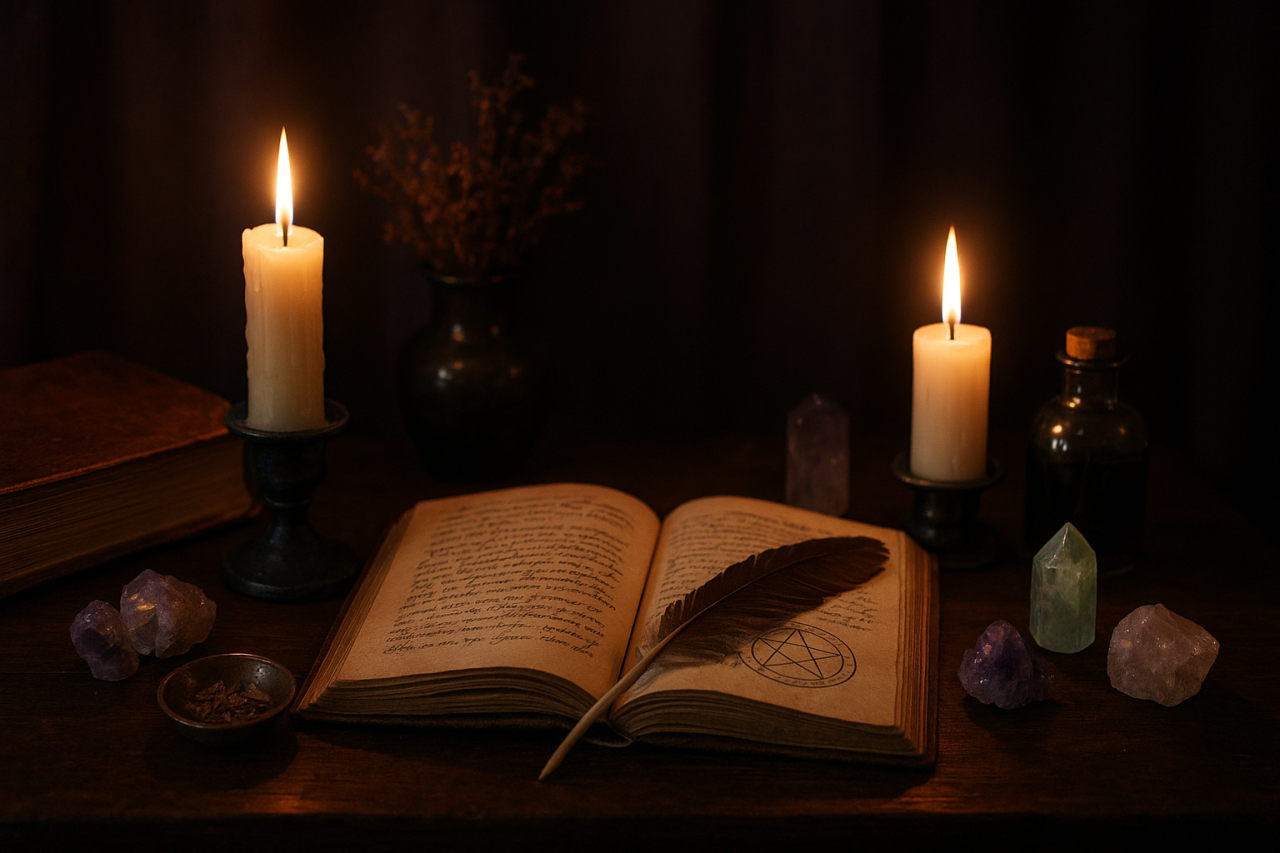
Visualization & Witchy Practices
I began using visualization, inspired by therapy and witchcraft rituals. I pictured the life and feelings I wanted for myself and my son—grounded, confident, present, and joyful. This intentional focus guided my mindset and actions.
Creative Expression
Writing, painting, and crafting became a lifeline. One painting of a single flower unfolding mirrored the layers of my thoughts and growth. Creative expression allowed me to process feelings, express my authentic self, and reconnect with joy.
Play & Presence
Spending intentional, playful time with my son grounded me in the present. From bike rides to cookie baking to imaginative play, these moments rooted me in who I am now, not who I was or what I experienced in the past.
Bedtime Mantra
A simple, grounding mantra became a nightly ritual:
“I am safe. I am loved. I AM LOVE.”
Reflection & Encouragement
Anxiety doesn’t have to be your enemy. It can be a guide—signaling your needs, helping you process emotions, and pointing toward growth.
You can transform overwhelming sensations into clarity, insight, and even joy through practices like:
- Visualization or intention-setting
- Creative expression (writing, painting, crafting)
- Play and presence with loved ones
- Meditation, journaling, or grounding exercises
Start small. Notice one thing you can do today to honor your feelings, reconnect with the present, or express yourself authentically.
Closing Thoughts
My journey with anxiety and PTSD taught me that even the most intense emotions can become superpowers. Through reflection, creative practices, and radical self-acceptance, I learned to let anxiety guide me rather than control me.
You are not alone. Difficult experiences can become tools for growth, presence, and authenticity—if you let them.
Discover more from Backyard Boogie Witch
Subscribe to get the latest posts sent to your email.